 By
By A Lactation & IYCF Professional Explains the Real Readiness Cues
Starting solids is one of the biggest milestones in your baby’s feeding journey.
But before introducing that first spoonful, it’s important to understand one crucial truth:
Your baby must show developmental readiness not just reach a certain age.
While the ideal age is 6 completed months, your baby’s skills and cues matter equally.
In this guide, I’ll explain the real, science-based signs that show your baby is ready, along with the common myths that confuse most families.
🌼 All 6 Signs Must Be Present — Not Just One
Many parents think if a baby shows one sign (like interest in food), they’re ready.
But according to WHO, UNICEF & BPNI guidelines:
True readiness happens when ALL key developmental signs appear together usually around 6 months.
Let’s dive into them.
✔ 1. Baby Can Sit With Minimal Support
This is the most important readiness cue.
A baby ready for solids should be able to:
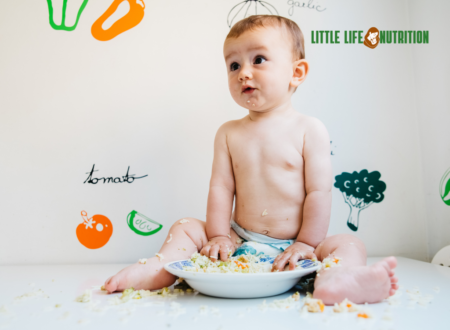
- sit upright with minimal or no support
- maintain a stable, straight posture
- keep head and torso aligned
This position ensures:
✔ safe swallowing
✔ reduced choking risk
✔ better control while self-feeding
If your baby is still slumping or falling sideways, they’re not ready yet.
✔ 2. Strong & Steady Head Control
Your baby should be able to:
- hold head upright
- turn head side-to-side
- maintain stability while sitting
Why this matters:
✔ safe swallowing
✔ protection of airway
✔ ability to lean forward or away from food
A wobbly head = not ready for solids.
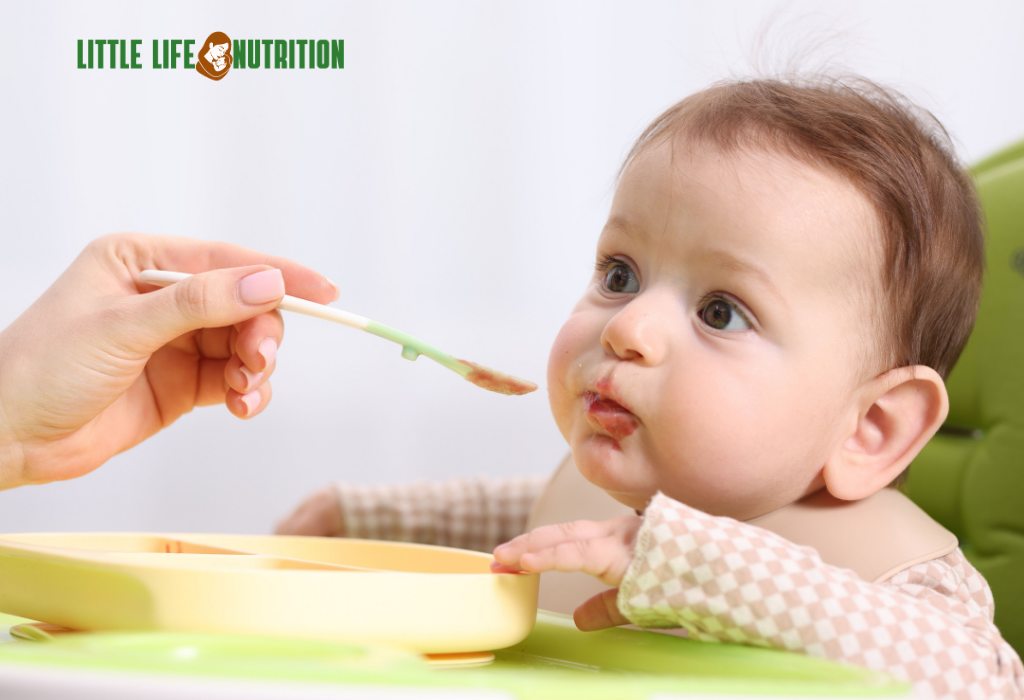
✔ 3. Tongue-Thrust Reflex Has Disappeared
The tongue-thrust reflex pushes foreign objects (including food) out of the mouth.
It protects young babies from choking.
How to check:
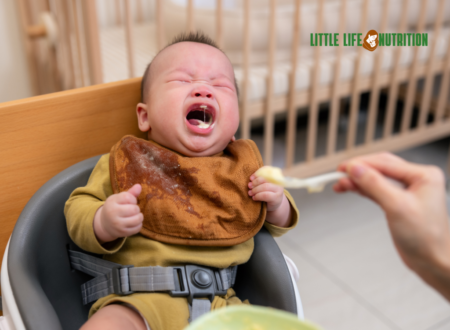
- If you offer a spoon and your baby automatically pushes it out → reflex still active.
When the reflex fades:
✔ baby keeps food inside
✔ moves it around the mouth
✔ swallows more efficiently
This usually happens around 6 months.
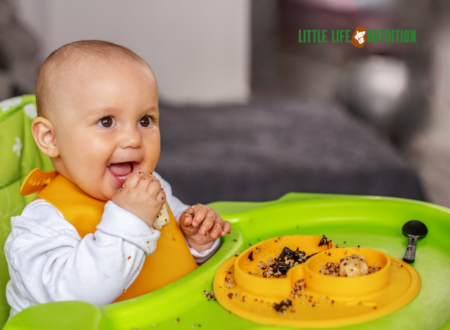
✔ 4. Baby Shows Genuine Interest in Food
Food interest means more than just watching you eat.
Look for:
- opening mouth when food approaches
- reaching for your plate
- excitement during mealtimes
- trying to pick food and explore textures
Curiosity = Readiness.
But remember interest alone is not enough.
It should accompany the other signs.
✔ 5. Improved Hand-to-Mouth Coordination
Your baby should be able to:
- pick up toys
- bring objects to mouth
- hold small soft foods
- explore textures safely
This skill supports self-feeding and helps babies learn:
✔ biting
✔ chewing
✔ tasting
✔ sensory exploration
This coordination matures around 5.5–6 months.
✔ 6. Baby Is at Least 6 Completed Months (180 Days)
Even if a baby seems advanced, the minimum age is non-negotiable.
At 6 months:
✔ digestion is mature
✔ kidneys can handle diverse foods
✔ iron needs increase
✔ oral skills align with chewing
✔ immune system is stronger
Starting solids before 6 months increases risks like choking, infections, obesity, and early weaning.
❌ Common “Fake Readiness Signs” (These Are NOT Indicators)
Families often misinterpret normal developmental milestones as hunger or readiness.
But these do not mean your baby needs solids:
✗ putting hands in mouth
✗ waking at night
✗ teething
✗ watching adults eat
✗ small size / big size
✗ crying after feeds
✗ chewing motions
✗ demand from relatives
✗ “baby looks hungry” intuition
These are typical for all babies not readiness signals.
🧡 How to Know for Sure?
If your baby can:
✔ sit
✔ hold head steady
✔ swallow well
✔ pick up and mouth objects
✔ show interest
✔ and is 6 months
…then your baby is truly ready to begin their solid food journey.
💛 A Gentle Note to Mothers
Please remember:
Readiness is about developmental milestones — not pressure from society.
You do not need to:
✗ force-feed
✗ start early because others say so
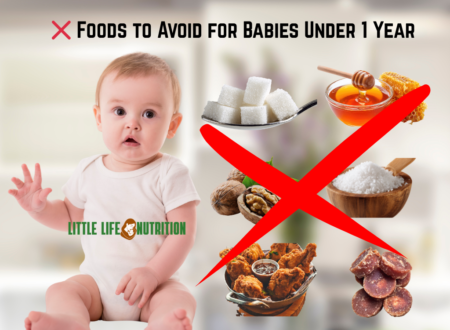
✗ give water, honey, cerelac substitutes, or “boosters”
✗ introduce solids because weight is low or high
Trust your baby.
Trust yourself.
You’re doing this beautifully.