 By
By Starting pumping can feel confusing especially when you are already adjusting to life with a newborn.
You may be wondering:
Am I doing this correctly? Why am I getting so little milk? When should I start?
If you feel unsure, you are not alone. As a lactation professional, I often see mothers feel overwhelmed in the beginning but with the right guidance, pumping becomes much easier and more predictable.
Let’s take this step by step.
When Should You Start Pumping?
There is no single answer it depends on your situation.
- If breastfeeding is going well → You can wait a few weeks
- If baby is not latching → Start early
- If you are returning to work → Start 2–3 weeks before
The World Health Organization supports early milk expression when needed to establish supply.
https://www.who.int/health-topics/breastfeeding
The Golden Rule of Pumping
Before anything else, remember this:
👉 More milk removal = more milk production
Your body responds to demand. When milk is removed frequently, your body produces more.
A Simple Beginner Pumping Routine
If you are just starting:
- Pump every 2–3 hours
- Aim for 8–12 sessions in 24 hours
- Include at least one night session
👉 This mimics your baby’s natural feeding pattern and helps build supply.
How Long Should You Pump?
- Pump for 15–20 minutes per session
- Or until milk flow slows down
Don’t worry if milk stops early consistency matters more than duration.
What Happens in the First Week (Very Important)
Understanding this will reduce a lot of stress.
🌱 Days 1–3
- You may see only a few drops
- Milk may be thick and yellow (colostrum)
👉 This is completely normal
🌼 Days 4–7
- Milk volume gradually increases
- Breasts may feel fuller
👉 Your body is adjusting
What Is Normal When You Start Pumping?
Many mothers worry unnecessarily. Let’s clear this:
👉 Getting only small amounts → Normal
👉 One breast producing more → Normal
👉 Output changing throughout the day → Normal
👉 Your pump output does NOT define your milk supply
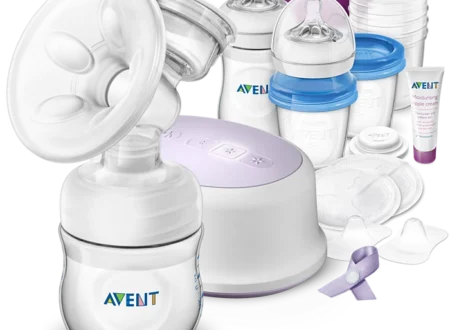
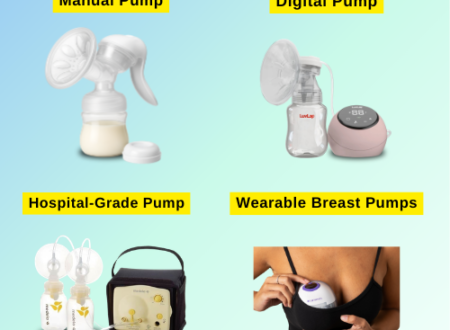
Choosing the Right Pump
Keep it simple in the beginning:
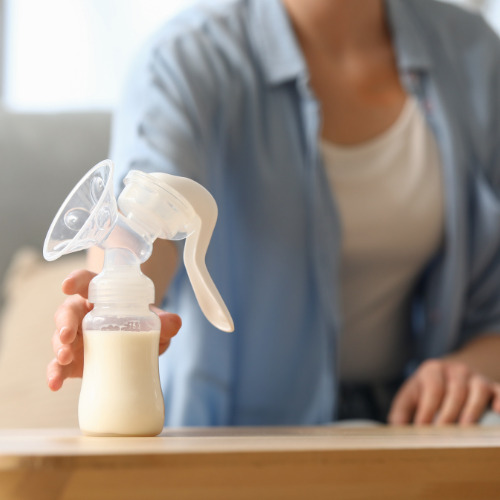
- Occasional pumping → Manual pump
- Regular pumping → Electric pump
- Frequent pumping → Double electric pump
👉 You can explore more in types of breast pumps
Step-by-Step: Your First Pumping Session
1. Find a Comfortable Space
- Sit relaxed
- Reduce stress and distractions
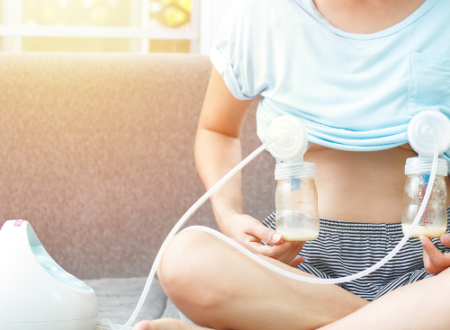
2. Position the Pump Correctly
- Center nipple in flange
- Ensure proper fit
3. Start Slowly
- Begin with low suction
- Gradually increase to comfort
4. Be Patient
- Milk may not flow immediately
- Let your body respond naturally
5. Store Milk Safely
👉 Follow proper guidelines in breast milk storage
Common Beginner Mistakes
Avoiding these will make your journey easier:
❌ Expecting high milk output immediately
Your body needs time
❌ Pumping irregularly
Consistency is key
❌ Using incorrect flange size
Can cause pain and low output
❌ Comparing with other mothers
Every journey is different
Simple Tips to Make Pumping Easier
- Stay hydrated
- Eat balanced meals
- Massage breasts before pumping
- Pump at similar times daily
- Stay relaxed (stress affects milk flow)
When to Seek Help
If you experience:
- Persistent pain
- Very low output despite frequent pumping
- Difficulty with pump fit
👉 It’s best to get guidance early
A Gentle Note for You
If pumping feels difficult right now, please remember:
You are learning something new while caring for your baby.
You don’t need to be perfect.
You just need to be consistent.
With time, your body and routine will adjust.
What to Read Next
To continue your journey:
- Breast Pump Basics
- Types of Breast Pumps
- Breast Milk Storage
- Pumping for Milk Supply
Final Thoughts
Pumping is a skill and like any skill, it becomes easier with practice.
Start simple. Stay consistent. Trust your body.
You are doing something truly meaningful for your baby.
Disclaimer
The information on this website is for educational purposes only and is not a substitute for professional medical advice. Always consult a qualified healthcare provider for personal medical concerns.