 By
By Choosing a breast pump can feel confusing at first.
Many mothers ask:
Do I need a manual pump or an electric one? Is a wearable pump really helpful? Which one is best for me?
If you’re feeling unsure, you’re not alone. As a lactation professional, I often see mothers choosing pumps based on trends or recommendations from others rather than what actually suits their needs.
The truth is simple:
👉 the right breast pump depends on your lifestyle, your routine, and your breastfeeding goals.
This guide will help you understand the different types of breast pumps in a practical, easy way so you can make a confident choice.
Why Choosing the Right Pump Matters
A breast pump is not just a device it directly affects:
- Your comfort
- Your milk output
- Your daily routine
- Your long-term breastfeeding success
The World Health Organization highlights that effective milk removal is key to maintaining breastfeeding.
https://www.who.int/health-topics/breastfeeding
Choosing the right pump makes that process easier and more sustainable.
Quick Comparison: Which Pump Is Best for You?
Here’s a simple way to understand your options:
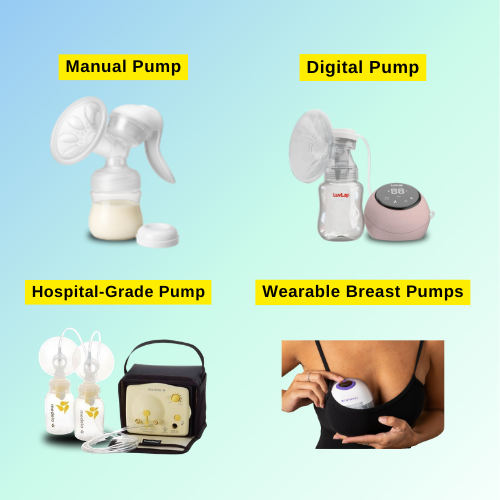
| Type of Pump | Best For |
| Manual Pump | Occasional use, travel |
| Electric Pump | Regular pumping |
| Double Electric Pump/Hospital Grade Pump | Saving time, increasing supply |
| Wearable Pump | Working mothers, multitasking |
1. Manual Breast Pumps

Manual pumps are operated by hand.
✔ Best for:
- Occasional pumping
- Short-term use
- Travel or backup
✔ Advantages:
- Lightweight and portable
- Affordable
- No electricity needed
⚠️ Limitations:
- Requires effort
- Takes more time
- Not ideal for frequent use
👉 If you are pumping only occasionally, this may be enough.
2. Electric Breast Pumps
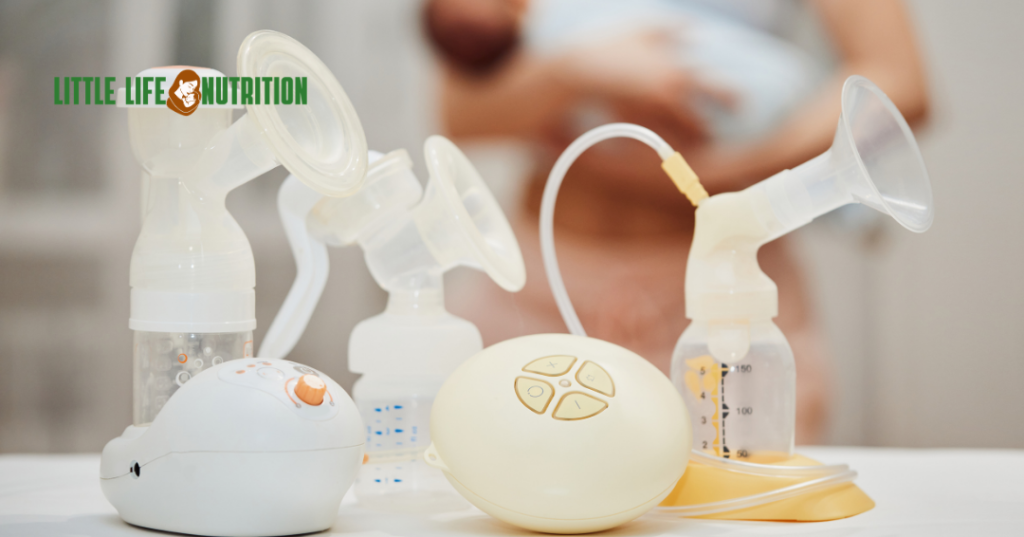
Electric pumps use a motor to create suction automatically.
✔ Best for:
- Regular pumping
- Mothers building or maintaining supply
✔ Advantages:
- Saves effort
- More efficient than manual pumps
- Adjustable suction levels
⚠️ Limitations:
- Requires power source
- Slightly bulky
👉 A good choice if pumping is part of your daily routine.
3. Double Electric/Hospital Grade Breast Pumps
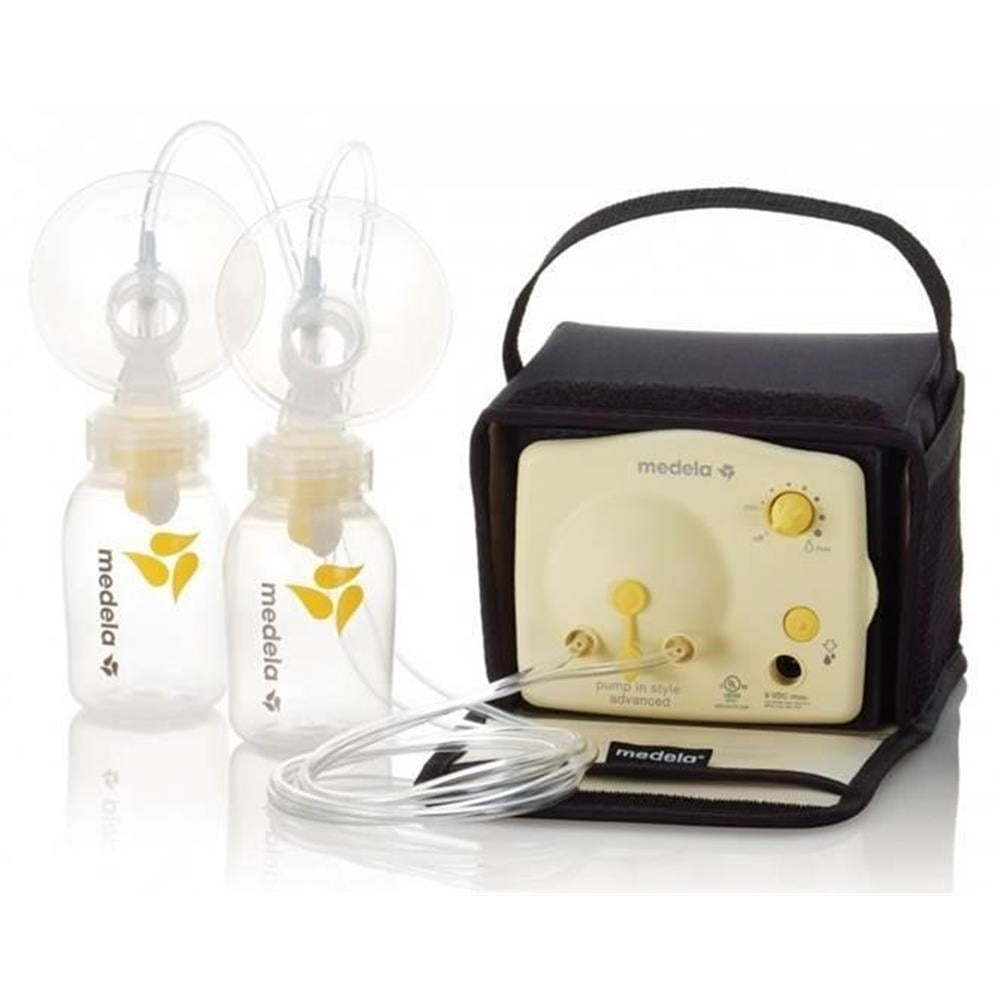
These pumps allow you to express milk from both breasts at the same time.
✔ Best for:
- Increasing milk supply
- Saving time
- Exclusive pumping
✔ Advantages:
- Faster milk expression
- Better stimulation for milk production
- More efficient overall
⚠️ Limitations:
- More expensive
- Requires setup
👉 If you are serious about pumping regularly, this is often the most effective option.
4. Wearable (Hands-Free) Pumps
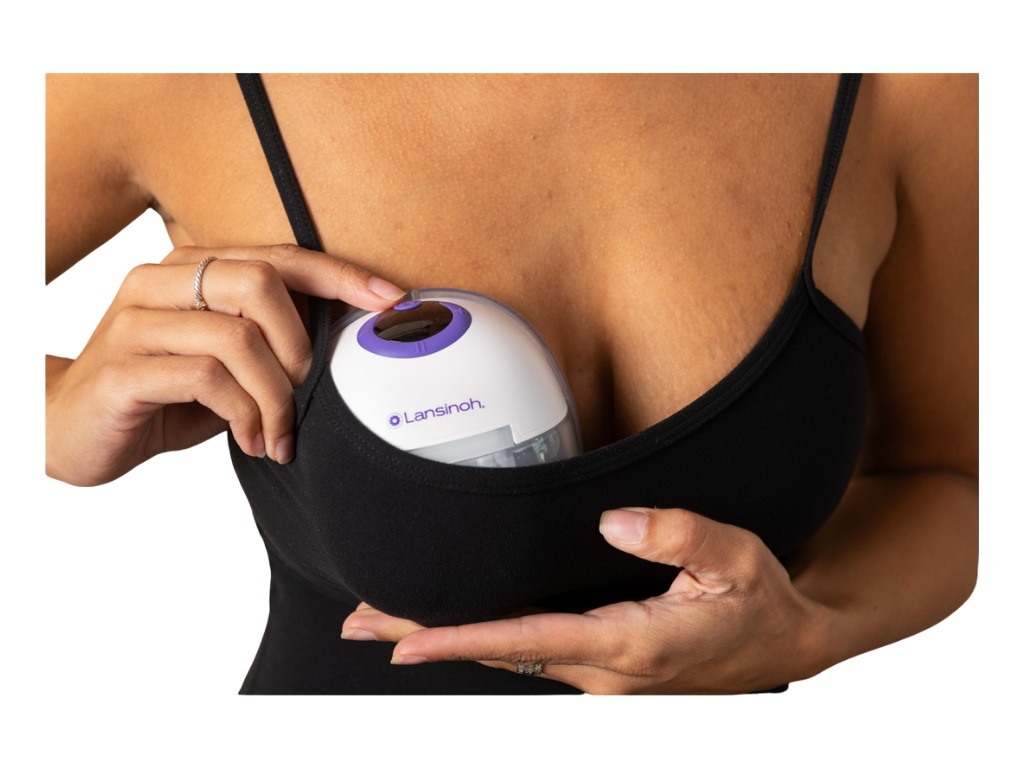
Wearable pumps fit inside your bra and allow hands-free pumping.
✔ Best for:
- Working mothers
- Busy schedules
- Multitasking
✔ Advantages:
- Portable and discreet
- No need to sit in one place
- More flexibility
⚠️ Limitations:
- Expensive
- May not be as powerful as electric pumps
- Requires correct positioning
👉 These are convenient—but not always necessary for everyone.
How to Choose the Right Pump for YOU
This is the most important part.
Instead of asking “Which pump is best?” ask:
👉 “Which pump fits my life?”
Consider Your Routine
- At home mostly → Manual or electric
- Working outside → Electric or wearable
Consider Frequency
- Occasional use → Manual
- Daily use → Electric
- Multiple sessions/day → Double electric
Consider Your Goals
- Build supply → Double electric
- Maintain supply → Electric
- Convenience → Wearable
Consider Comfort
A well-fitting pump matters more than the type.
If the fit is wrong:
- It can cause pain
- Reduce milk output
👉 You can learn more about comfort and technique in our guide on pumping for beginners.
Common Mistakes to Avoid
Many mothers make these mistakes:
❌ Choosing based on popularity
What works for others may not work for you
❌ Ignoring comfort
Pain is a sign something needs adjustment
❌ Buying expensive pumps unnecessarily
You may not need advanced features
❌ Not understanding your needs
Your routine should guide your choice
A Lactation Professional’s Perspective
From my experience working with mothers:
👉 The “best pump” is not the most expensive one
👉 It is the one that you can use comfortably and consistently
Sometimes, a simple electric pump works better than a costly wearable one because it fits your routine better.
What to Read Next
To continue building your pumping knowledge:
- Breast Pump Basics
- Pumping for Beginners
- Pumping for Milk Supply
- Exclusive Pumping
Final Thoughts
Choosing a breast pump doesn’t have to be stressful. Once you understand the different types and how they fit into your life, the decision becomes much easier.
Start with your needs. Keep it simple. Adjust as you go.
Your comfort and consistency matter more than anything else.
Disclaimer
The information on this website is for educational purposes only and is not a substitute for professional medical advice. Always consult a qualified healthcare provider for personal medical concerns.