 By
By Breastfeeding is natural, but it is not always easy especially in the early days. Many mothers experience sore, sensitive, or even cracked nipples, which can make feeding stressful and uncomfortable.
As a lactation professional, I want to reassure you of something important:
👉 nipple pain is common but it is not something you have to tolerate.
With the right care and small adjustments, most nipple problems can improve quickly.
Why Nipple Pain Happens
In the first few days after birth, your body and your baby are still learning how to breastfeed together. Mild tenderness can be normal, but ongoing pain usually has a reason.
Common causes include:
- Improper latch
- Incorrect positioning
- Dry or sensitive skin
- Frequent feeding without proper support
- Use of incorrect pump flange size
The Office on Women’s Health explains that nipple pain is often linked to latch issues and can be improved with proper technique.
https://womenshealth.gov/breastfeeding/common-breastfeeding-challenges
How to Know What’s Normal (and What’s Not)
It’s helpful to understand the difference between expected discomfort and a problem.
Mild, normal discomfort:
- Slight tenderness in the first few days
- Improves as feeding continues
- No visible damage
Signs you need attention:
- Sharp or severe pain
- Cracked or bleeding nipples
- Pain that continues throughout feeding
- Nipples look flattened or damaged after feeds
If pain continues, it’s important to address the cause early.
The Most Important Step: Correct Latch
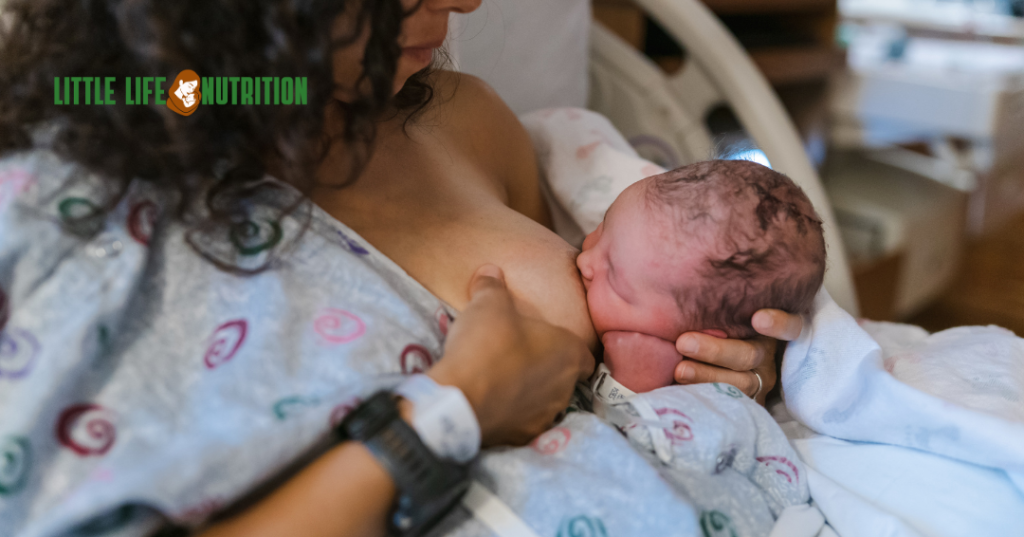
The single most effective way to prevent and treat nipple pain is improving your baby’s latch.
A good latch means:
- Baby’s mouth covers more of the areola, not just the nipple
- Lips are flanged outward
- Chin touches the breast
- Feeding feels comfortable after initial seconds
If you are unsure about your technique, you can read our guide on pumping for beginners and positioning basics to understand feeding mechanics better.
Simple and Effective Nipple Care Tips
Let’s keep this practical and easy to follow.
1. Use Your Own Breast Milk
After feeding, express a few drops of breast milk and gently apply it to your nipples.
Breast milk has natural healing and protective properties.
2. Keep Nipples Dry (But Not Over-Dry)
After feeds:
- Let nipples air dry
- Avoid staying in damp bras
Moist environments can increase irritation.
3. Use Nipple Cream When Needed
If you have soreness or cracks, a safe nipple cream can help soothe and protect the skin.
Look for:
- Baby-safe ingredients
- No need to wash off before feeding
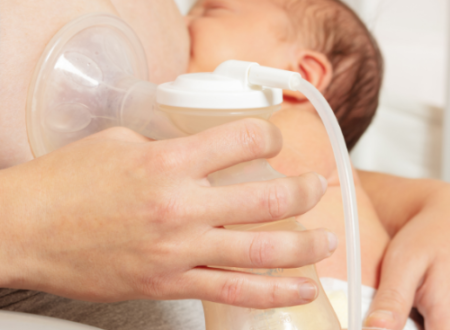
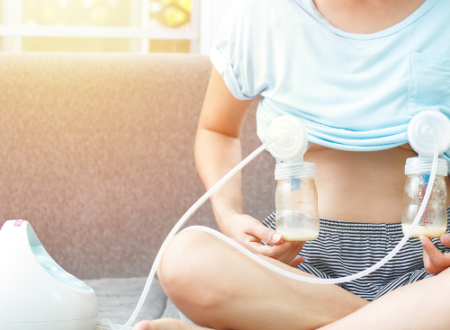
4. Check Pump Fit
If you are pumping, incorrect flange size can cause pain and damage.
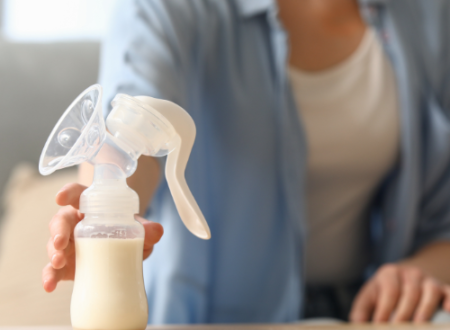
You can explore more about this in our guide on types of breast pumps and proper fitting.
5. Change Feeding Positions
Trying different positions can reduce pressure on the same area of the nipple.
This allows healing and improves comfort.
When to Be Careful: Nipple Damage & Infections
If not addressed early, nipple issues can worsen.
Watch for:
- Deep cracks
- Bleeding
- Signs of infection (redness, swelling, burning pain)
The World Health Organization emphasizes early support and proper breastfeeding techniques to prevent complications.
https://www.who.int/health-topics/breastfeeding
In such cases, it’s best to seek professional guidance.
What About Nipple Shields?
Nipple shields are sometimes suggested for pain or latch issues.
However:
👉 They should only be used under guidance
They are helpful in specific situations but not always needed.
Small Habits That Make a Big Difference
Daily care doesn’t have to be complicated.
Simple habits help a lot:
- Wear soft, breathable bras
- Change breast pads frequently
- Avoid harsh soaps on nipples
- Stay hydrated and nourished
These small steps support healing and comfort.
A Gentle Note for You
If you are experiencing pain, please don’t feel discouraged.
Many mothers go through this phase. It does not mean you are doing something wrong.
With the right support, most nipple issues improve quickly and breastfeeding becomes more comfortable.
Final Thoughts
Nipple care is an important part of your breastfeeding journey. Addressing discomfort early helps you continue feeding with confidence and ease.
Listen to your body, make small adjustments, and seek help when needed.
You deserve a feeding experience that is not only nourishing for your baby but also comfortable for you.
Disclaimer
The information on this website is for educational purposes only and is not a substitute for professional medical advice. Always consult a qualified healthcare provider for personal medical concerns.