 By
By A Lactation & IYCF Professional Explains the Right Time to Begin Complementary Feeding
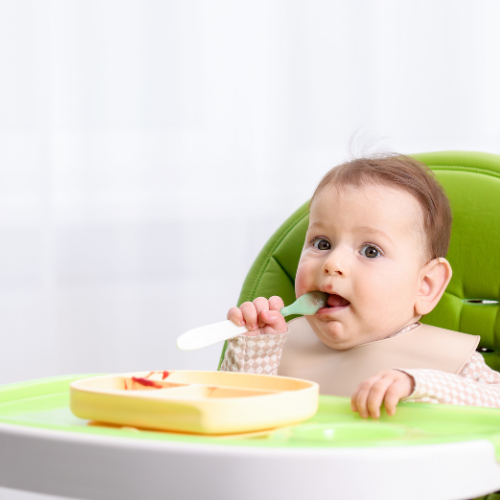
Starting solids is one of the most exciting milestones for parents.
But it’s also the phase where confusion, pressure from relatives, and cultural myths often overwhelm mothers.
As a lactation and IYCF specialist, I reassure parents:
Your baby will show you when they’re ready not the calendar, not relatives, not traditions.
Let’s explore exactly when and how to start solids in a safe, developmentally appropriate way.
🌼 Why Waiting Until 6 Months Is Important
The WHO, UNICEF, and BPNI all recommend:
Exclusive breastfeeding for the first 6 months, and then starting solids at 6 completed months.
At this age:
✔ The digestive system is mature
✔ Oral motor coordination develops
✔ Tongue-thrust reflex disappears
✔ Baby can sit with support
✔ Kidneys can handle more complex nutrition
✔ Breastmilk alone can no longer meet increasing nutrient needs (especially iron & zinc)
Starting too early (before 6 months) can lead to:
❌ choking
❌ infections
❌ low breastmilk intake
❌ poor nutrient absorption
❌ digestive issues
Starting too late (after 7–8 months) can cause:
❌ iron deficiency
❌ micronutrient gaps
❌ feeding aversions
❌ delayed chewing skills
So 6 months is the sweet spot scientifically and developmentally.
🍼 Signs That Your Baby Is Ready for Solids
(All signs should be present not just one)
✔ 1. Baby can sit with minimal support
A stable sitting posture means the airway is safer during eating.
✔ 2. Head and neck control is strong
This helps the baby safely swallow and explore food.
✔ 3. Tongue-thrust reflex has reduced
If food pushes out automatically, the baby is not yet ready.
✔ 4. Baby shows interest in food
Reaching for your plate, watching you eat, opening mouth.
✔ 5. Baby can pick up objects and bring them to mouth
Good hand-mouth coordination supports self-feeding.
✔ 6. Baby is at least 180 days (6 months) old
Maturity matters.
❌ Signs That Are NOT Indicators of Readiness
Many cultures interpret the following as readiness but they are not:
✗ putting hands in mouth
✗ waking at night
✗ chewing motions
✗ crying after feeds
✗ low breastmilk supply
✗ large baby / small baby
✗ teething
These are normal developmental phases not cues for solids.
🍽 What Happens If You Start Solids Too Early?
(Before 6 months)
❌ higher risk of diarrhea, infections
❌ risk of choking
❌ higher risk of overweight later
❌ early weaning
❌ immature kidneys
❌ reduced breastmilk intake
❌ increased allergy risk
Babies do not need solids before 6 months even if they seem hungry or active.
🥄 What Happens If You Delay Solids Too Long?
(After 7–8 months)
❌ iron deficiency
❌ feeding refusal
❌ texture aversion
❌ delayed chewing
❌ poor weight gain
❌ increased picky eating
Between 6–8 months, babies should explore various textures naturally.
🥑 What Should You Start With at 6 Months?
Start with nutrient-dense, soft, easy-to-digest foods:
✔ Iron-rich foods
- mashed eggs
- mashed rajma/chickpeas
- dal khichdi
- iron-fortified cereals
✔ Energy-rich foods
- ghee in khichdi
- mashed banana
- steamed sweet potato
✔ Easily digestible fruits & vegetables
- apple puree
- carrot mash
- pumpkin
✔ Foods from your own family’s plate
(no added salt / sugar)
Avoid liquid foods like:
✗ rice water
✗ dal water
✗ rasam water
they fill the stomach without nutrition.
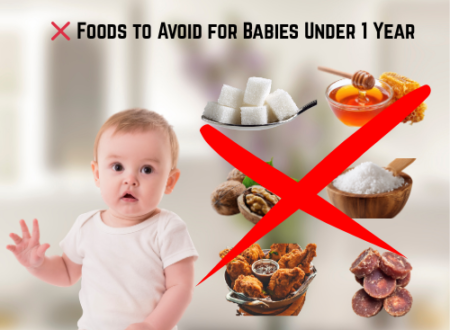
🧂 What NOT to Give at 6 Months
❌ salt
❌ sugar
❌ honey
❌ cow’s milk
❌ tea / coffee
❌ biscuits, cerelac substitutes, commercial powders
❌ juices
❌ deep-fried foods
🤱🏻 Breastfeeding Should Continue
Solids at 6 months complement breastfeeding — they do not replace it.
WHO recommends breastfeeding:
✔ up to 2 years or beyond
✔ on demand
✔ along with balanced solids
⏱ How to Begin – A Simple Feeding Schedule
Week 1
Start with once a day small tasting amounts.
Week 2
Increase to 2 small meals.
Week 3–4
Offer 2–3 meals + breastfeeding on demand.
Quantity
Follow baby’s appetite: 2–3 tablespoons → half cup → full cup.
💛 A Warm Message to Mothers
Starting solids is beautiful but do it with confidence, not pressure.
Your baby does not need elaborate recipes, powders, or fancy preparations.
Your baby needs you, your love, and your homemade food.
Trust your baby’s cues.
Trust your maternal instincts.
And trust that you’re doing wonderfully.
Disclaimer
The information on this website is for educational purposes only and is not a substitute for professional medical advice. Always consult a qualified healthcare provider for personal medical concerns.