 By
By When your baby begins solids, what you feed matters but how you introduce different textures is equally important. Texture progression is a core part of IYCF guidelines and helps your baby learn to chew, swallow safely, explore new foods, and build long-term healthy eating habits.
As a Certified Lactation Professional & IYCF expert, I always remind parents:
👉 Babies don’t need teeth to learn chewing they need gradual texture exposure.
This guide will help you understand exactly when and how to move from smooth purées to family foods.
🌼 What Is Texture Progression?
Texture progression means gradually increasing the thickness, lumpiness, and chewability of foods as your baby grows.
It helps your baby develop:
- Oral motor skills
- Chewing ability
- Self-feeding confidence
- Reduced risk of picky eating
- Safe swallowing patterns
🍱 Why Texture Progression Is Important
Delaying texture progression may lead to:
- picky eating later
- gagging becoming worse
- refusal of solids
- dependency on porridges only
- poor jaw and tongue development
Babies need exposure to real textures early this is how they learn.
🗓️ Recommended Texture Timeline (6–12 Months)
🍯 6–7 Months: Smooth → Soft Mashed Textures
At this stage, babies are new to solids. Start with:
- Smooth purées
- Thick purées
- Soft mashed food
- Semi-solid meals
Examples:
- Mashed banana
- Mashed sweet potato
- Thick dal with soft rice
- Thick ragi porridge
- Lentil purée
👉 Keep food soft and easily mashable with fingers.
🥄 7–8 Months: Mashed → Lumpy → Soft Finger Foods
Now babies can handle slightly more texture.
Add:
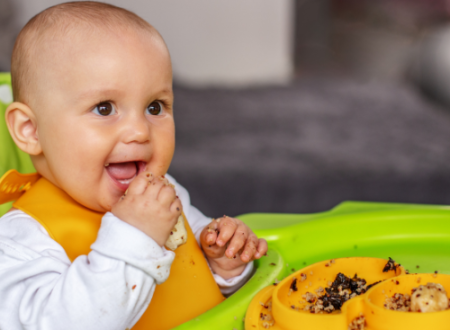
- Small lumps
- Grainy textures
- Soft table foods
- Easy-to-hold finger foods
Examples:
- Lumpy khichdi
- Mashed veggies with tiny lumps
- Crumbled egg
- Soft idli pieces
- Small steamed potato pieces
👉 This stage is important to prevent picky eating later.
🖐️ 8–10 Months: Minced → Soft-Cooked Chunks
Babies can now chew soft textures even without teeth.
Offer:
- Minced foods
- Soft chunks
- Soft family foods
- More finger foods
Examples:
- Minced chicken
- Minced vegetables
- Soft chapati soaked in dal
- Soft cooked carrots
- Omelette strips
👉 Encourage self-feeding using hands.
🍽️ 10–12 Months: Family Foods (Modified)
By 1 year, babies can eat most foods you cook for the family just made softer and less spicy.
Include:
- Family rice
- Chapati pieces
- Upma, poha
- Dosa
- Soft sabzi
- Soft meats/fish
👉 They should be eating 3 meals + 1–2 snacks by now.
🌟 Signs Your Baby Is Ready for the Next Texture
- Eats current texture easily
- Shows chewing-like movements
- Minimizes gagging
- Reaches for food
- Accepts finger foods
- Holds food in mouth and moves it around with tongue
⚠️ Signs You Should Wait
- Baby is choking (not gagging)
- Very distressed with lumps
- Not able to move food in mouth
If unsure, slow down and try again after a few days.
🔍 Gagging vs Choking
Gagging is normal — it’s a safety reflex.
Choking is dangerous — silent, unable to breathe.
👉 Parents must know the difference.
If you want, I can write a full Gagging vs Choking Guide for your website.
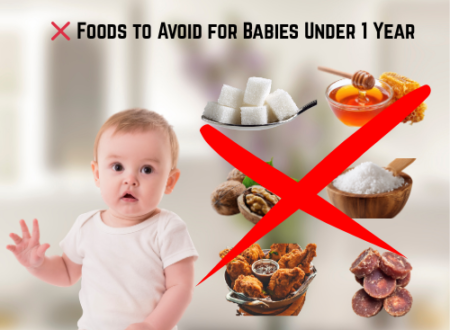
🧂 Foods NOT to Give (Texture Safety)
- Whole nuts
- Whole grapes (offer cut)
- Popcorn
- Hard raw vegetables
- Hard fruits
- Round, coin-shaped foods
- Thick globs of nut butter (use thin spread)
🍜 Sample Texture Progression Chart
| Age | Texture | Example Foods |
| 6–7 mo | Purée → thick purée | mashed banana, dal-rice mash |
| 7–8 mo | Lumpy mashed | lumpy khichdi, mashed veggies |
| 8–10 mo | Minced/soft chunks | minced chicken, chopped veggies |
| 10–12 mo | Family foods | rice, roti, upma, dosa, sabzi |
💛 Final Words (From a Lactation & IYCF Expert)
Texture progression is not something to fear it’s something to embrace. Babies are incredibly capable learners. With gentle guidance, responsive feeding, and age-appropriate textures, your baby will become a confident, happy eater.
You don’t need fancy meals.
You just need right textures at the right time.
Disclaimer
The information on this website is for educational purposes only and is not a substitute for professional medical advice. Always consult a qualified healthcare provider for personal medical concerns.