 By
By Storing breast milk can feel stressful in the beginning.
Many mothers worry:
Am I storing it correctly? Will my milk stay safe? What if I make a mistake?
If you’ve had these thoughts, you’re not alone. As a lactation professional, I often see mothers feel anxious about storage but the truth is, it’s much simpler than it seems.
With a few basic rules, you can safely store your milk and feel confident that your baby is getting the best.
Why Proper Storage Matters
Breast milk is rich in nutrients and protective factors—but it is also sensitive.
If not stored properly:
- Bacteria can grow
- Nutritional quality can reduce
- Milk can spoil
That’s why safe storage is important—not to make things complicated, but to protect every drop of milk you worked so hard to express.
The Centers for Disease Control and Prevention provides clear guidance on safe handling and storage of expressed breast milk.
https://www.cdc.gov/breastfeeding/breast-milk-preparation-and-storage/handling-breastmilk.html
The Simple Storage Rule (Easy to Remember)
If you remember just this, you’re already doing well:
👉 Fresh milk is best
👉 Refrigerated milk is next
👉 Frozen milk is for longer storage
You don’t need to memorize everything at once just start with these basics.
How Long Can You Store Breast Milk?
Here’s a simple, practical guide:
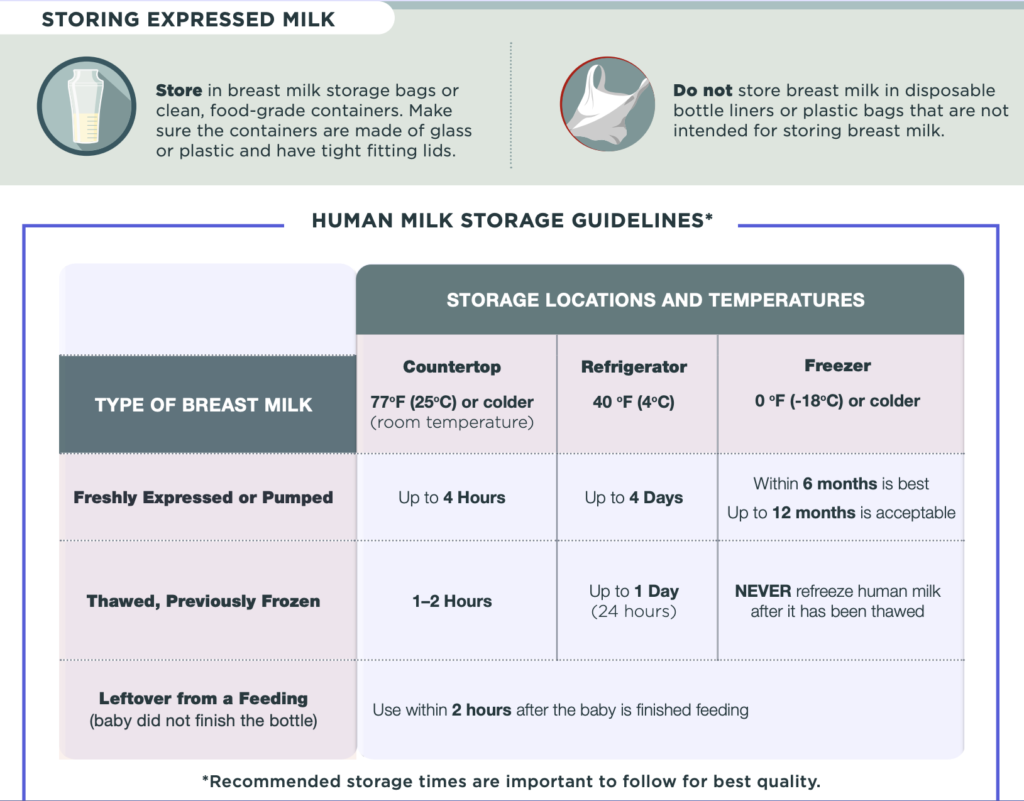
At Room Temperature (up to 25°C)
- Safe for up to 4 hours
👉 Useful for short-term use after pumping
In the Refrigerator
- Safe for up to 4 days
👉 Best option for daily use
In the Freezer
- Best within 6 months
- Acceptable up to 12 months
👉 Ideal if you are storing milk for later use
Choosing the Right Storage Containers
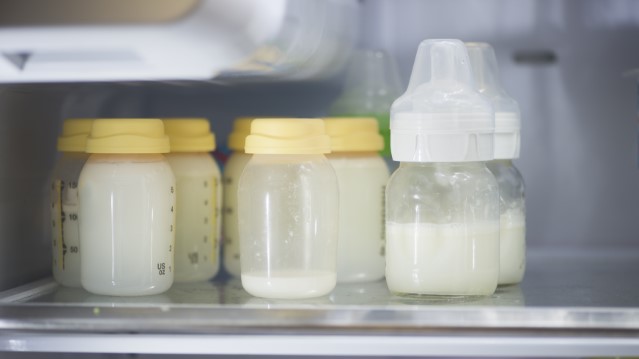
Safe storage starts with the right container.
You can use:
- Clean glass containers
- BPA-free plastic bottles
- Breast milk storage bags
Make sure:
- Containers are clean and dry
- Properly sealed
- Labeled with date and time
If you are new to pumping, you may find our guide on breast pump basics helpful to understand the full process.
Step-by-Step Storage Routine
Let’s make this easy to follow.
Step 1: Start With Clean Hands
Always wash your hands before expressing or handling milk.
Step 2: Use Clean Containers
Make sure your bottles or storage bags are properly cleaned.
👉 You can read our guide on cleaning pump equipment to ensure safe hygiene.
Step 3: Label Your Milk
Write:
- Date
- Time
This helps you use older milk first.
Step 4: Store Immediately
After pumping:
- Use immediately OR
- Store in fridge/freezer without delay
Avoid leaving milk out unnecessarily.
Handling Milk Safely
Storage is not just about where you keep milk it’s also about how you handle it.
Can You Mix Milk from Different Sessions?
Yes—but with one rule:
👉 Cool freshly expressed milk before mixing with already refrigerated milk
This prevents temperature changes that can affect milk quality.
How to Thaw Frozen Milk
- Thaw in refrigerator overnight
- Or place container in warm water
Avoid:
- Boiling
- Microwave heating
These can destroy nutrients and create uneven heating.
Once Thawed
- Use within 24 hours
- Do not refreeze
Real-Life Situations (What Mothers Actually Face)
Let’s make this practical.
🌙 Night Pumping
If you pump at night:
- Store milk in fridge immediately
- Label it properly
This helps avoid confusion later.
💼 Pumping at Work
If you are working:
- Store milk in an insulated bag with ice packs
- Transfer to fridge as soon as possible
👉 You can read our guide on pumping at work for a complete routine.
🚗 Travel or Short Outings
- Use a cooler bag
- Keep milk cold
- Use within safe time limits
Common Mistakes to Avoid
These are very common and easy to fix:
❌ Mixing warm milk with cold milk
Always cool first
❌ Not labeling milk
Leads to confusion and waste
❌ Storing in fridge door
Temperature is unstable
❌ Refreezing thawed milk
Not safe
A Gentle Note for You
If you feel worried about getting everything perfect, please remember:
You don’t need to memorize every rule.
A simple, consistent routine is enough to keep your baby safe.
You are already doing something incredible by providing your milk.
Final Thoughts
Breast milk storage becomes easy once you understand the basics. Start simple, stay consistent, and adjust as needed.
With time, this routine will feel natural and one less thing to worry about.
Disclaimer
The information on this website is for educational purposes only and is not a substitute for professional medical advice. Always consult a qualified healthcare provider for personal medical concerns.