 By
By Cleaning your breast pump parts might feel like just another task in your already busy day. When you’re tired, managing feeds, sleep, and recovery, this step can feel overwhelming.
But here’s something I gently remind every mother I work with:
cleaning your pump is not about perfection it’s about protecting your baby.
Even small amounts of leftover milk can allow bacteria to grow. A simple, consistent cleaning routine keeps your expressed milk safe and your baby healthy.
Why Cleaning Pump Equipment Is So Important
Breast milk is incredibly nutritious but that also means it can support bacterial growth if left on pump parts.
When pump equipment isn’t cleaned properly:
- Milk residue can stay in small parts
- Germs can grow quickly
- There is a risk of contamination during the next feed
The Centers for Disease Control and Prevention recommends cleaning pump parts after every use to reduce the risk of infection.
https://www.cdc.gov/hygiene/about/about-breast-pump-hygiene.html
So instead of seeing cleaning as a burden, try to see it as a small step that protects every drop of milk you worked so hard to express.
What Needs to Be Cleaned After Every Use
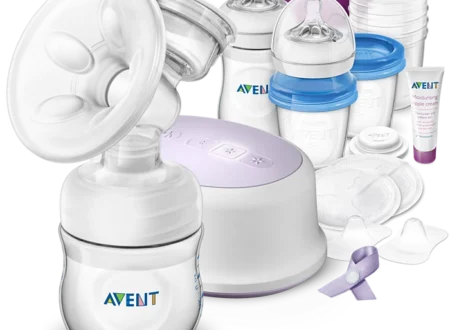
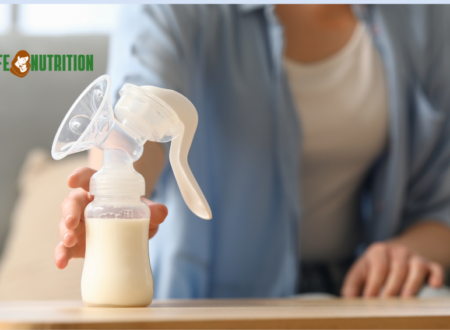
After each pumping session, all parts that come into contact with breast milk should be cleaned.
This usually includes:
- Breast shields (flanges)
- Bottles or milk collection containers
- Valves and membranes
- Connectors
Tubing usually does not need cleaning unless milk or moisture enters it.
If you are new to pumping, understanding your equipment better can help read our guide on pumping for beginners to feel more confident with your routine.
Step-by-Step Cleaning Routine (Made Simple)
Let’s break this down into a routine that feels manageable, even on busy days.
Step 1: Start With Clean Hands
Before touching pump parts or milk, wash your hands well with soap and water.
This is your first and most important step in preventing contamination.
Step 2: Take Apart All Pump Parts
After pumping, separate all removable parts.
It may feel easier to leave them assembled, but small areas can trap milk. Taking everything apart ensures proper cleaning.
Step 3: Rinse Immediately
Rinse the parts under running water to remove milk residue.
Avoid leaving milk to dry on the parts, as this makes cleaning harder and increases the risk of bacterial growth.
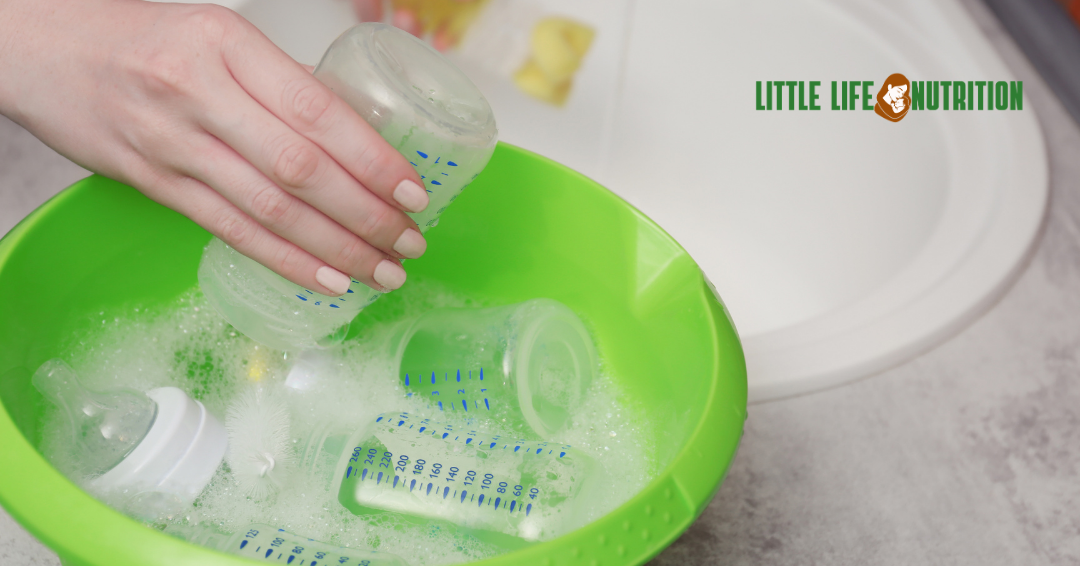
Step 4: Wash With Soap and Warm Water
Wash all parts in a clean basin using soap and warm water.
Gently clean:
- Bottle threads
- Valves and small parts
- Inner surfaces
Using a dedicated brush (only for baby items) helps maintain hygiene.
Step 5: Rinse Thoroughly
Make sure no soap residue remains.
Even small traces of soap can affect milk quality and taste.
Step 6: Air Dry Completely
Place the washed parts on a clean towel or drying rack.
Let them air dry completely this is very important.
Moisture left behind can allow germs to grow. Avoid wiping with used kitchen cloths, as they may carry bacteria.
Step 7: Store in a Clean, Safe Space
Once dry, store the parts in a clean container or covered area.
Keeping them protected from dust and kitchen exposure helps maintain hygiene.
Do You Need to Sterilize Every Time?
Many mothers worry about sterilizing after every use.
The truth is:
👉 Daily sterilization is helpful, but not always required for every session
👉 It is especially important for:
- Newborn babies
- Premature babies
- Babies with low immunity
The World Health Organization emphasizes hygienic handling of feeding equipment to protect infants from infections.
https://www.who.int
A simple routine of washing + occasional sterilizing is usually enough.
What About Cleaning at Work or Outside?
If you are pumping at work or while traveling, cleaning may feel more difficult.
In such cases:
- Rinse parts immediately
- Store in a clean container
- Wash properly when you get access
If you are a working mother, you may also find our guide on pumping at work helpful for managing your routine.
Common Mistakes to Avoid
Many mothers unintentionally make small mistakes that can affect hygiene.
Try to avoid:
- Only rinsing without washing
- Storing parts while still wet
- Using the same brush for regular dishes
- Skipping cleaning between sessions
A simple, consistent routine is more effective than occasional deep cleaning.
A Gentle Note for You
If you are feeling tired or overwhelmed, please know this:
You are already doing so much for your baby.
Cleaning pump parts may feel like a small, repetitive task but it plays a big role in keeping your baby safe.
And you don’t have to do it perfectly.
You just have to do it consistently.
Final Thoughts
Cleaning pump equipment is an essential part of your breastfeeding and pumping journey. With a simple routine, it becomes easier and less stressful over time.
Start small. Stay consistent. Trust yourself.
Every drop of milk you provide is valuable and keeping it safe is one of the most loving things you can do.
Disclaimer
The information on this website is for educational purposes only and is not a substitute for professional medical advice. Always consult a qualified healthcare provider for personal medical concerns.