
 By
By Worrying about milk supply is one of the most common concerns for new mothers.
You may be thinking:
Am I producing enough? Why is my pump output low? What can I do to increase my milk?
If you feel this way, you are not alone. As a lactation professional, I see this concern very often and in many cases, milk supply can be improved with the right approach and consistency.
Let’s simplify this together.
The Golden Rule of Milk Supply
Before anything else, remember this:
👉 More milk removal = more milk production
Your body produces milk based on demand. When milk is removed frequently and effectively, your body gets the signal to produce more.
The World Health Organization supports early and frequent milk removal as a key factor in establishing and maintaining supply.
https://www.who.int/health-topics/breastfeeding
How Often Should You Pump?
If your goal is to increase or maintain supply:
- Pump 8–12 times in 24 hours
- Try to pump every 2–3 hours
- Avoid long gaps between sessions
👉 Night pumping is especially important because milk-producing hormones are higher during this time.
Consistency matters more than perfection.
A Simple Daily Pumping Routine
Here’s a practical routine you can follow:
- Early morning (important session)
- Mid-morning
- Afternoon
- Evening
- Before bed
- 1–2 night sessions
Even if it feels tiring in the beginning, this routine helps build a strong supply.
Effective Techniques to Increase Milk Supply
Small changes can make a big difference.
1. Double Pumping
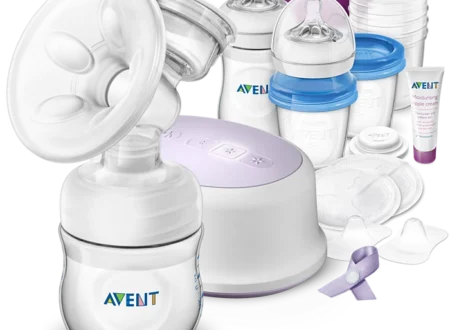
Using a double electric pump:
- Saves time
- Stimulates better hormone response
- Improves milk output
👉 You can learn more in our guide on types of breast pumps.
2. Hands-On Pumping
Gently massage your breasts before and during pumping.
This helps:
- Improve milk flow
- Empty breasts more effectively
3. Power Pumping
Power pumping mimics a baby’s cluster feeding.
Example:
- Pump 20 minutes
- Rest 10 minutes
- Pump 10 minutes
- Rest 10 minutes
- Pump 10 minutes
Do this once daily for a few days to stimulate supply.
4. Skin-to-Skin Contact
Spending time holding your baby skin-to-skin can:
- Boost milk hormones
- Improve milk flow
- Strengthen bonding
5. Stay Hydrated and Nourished
Your body needs:
- Fluids
- Balanced meals
- Adequate rest
Extreme diets or dehydration can affect milk production.
Why Your Milk Supply May Decrease
Understanding this helps you fix the problem early.
Common reasons include:
- Skipping pumping sessions
- Long gaps between pumping
- Incorrect flange size
- Stress and exhaustion
- Inconsistent routine
👉 If you are new to pumping, read our guide on breast pump basics to avoid common mistakes.
Low Pump Output vs Low Milk Supply
This is very important.
👉 Low pump output does NOT always mean low milk supply
Reasons may include:
- Pump not fitting properly
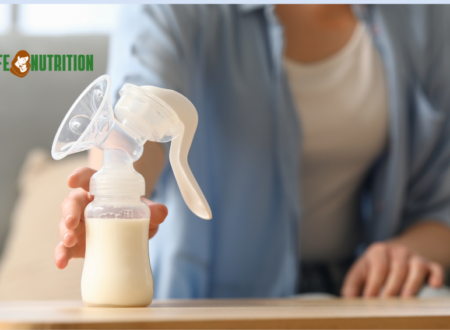
- Pump not strong enough
- Body responding better to baby than pump
So don’t judge your supply only by how much milk you pump.
When You Are Not Seeing Results
If you are pumping regularly but still feel supply is low:
- Check your pump type and fit
- Increase frequency slightly
- Add one power pumping session
- Focus on rest and hydration
Sometimes small adjustments make a big difference.
Real-Life Situations
💼 If You Are a Working Mother
- Maintain regular pumping schedule
- Don’t skip sessions at work
- Store milk safely
👉 Read our guide on pumping at work for practical tips.
🤱 If You Are Exclusively Pumping
- Follow strict schedule
- Use a double electric pump
- Track sessions consistently
👉 You may also benefit from our guide on exclusive pumping.
A Gentle Note for You
If you are worried about your milk supply, please hear this:
You are not failing.
You are learning.
Milk supply takes time, consistency, and patience.
And most importantly you are already doing something amazing for your baby.
Final Thoughts
Pumping for milk supply is not about doing everything perfectly. It’s about understanding your body, staying consistent, and making small improvements over time.
Start with a simple routine. Stay patient. Trust the process.
Your body is capable of more than you think.
Disclaimer
The information on this website is for educational purposes only and is not a substitute for professional medical advice. Always consult a qualified healthcare provider for personal medical concerns.