 By
By A PharmD’s Practical Guide to Safe Medication Use in Babies & Young Children
Giving medicines to children can feel overwhelming.
Many parents worry:
“Is this dose correct?”
“Is this medicine safe for my baby?”
“Can I give adult medicines in smaller amounts?”
As a PharmD, I want to reassure you:
💛 Most medicines are safe for children when used correctly but small mistakes can be harmful.
This guide will help you use medicines safely, confidently, and correctly for your child.
🌼 Why Medicine Safety Is Crucial in Children
Children are not small adults.
Their bodies:
- process medicines differently
- have immature liver and kidneys (especially infants)
- are more sensitive to dosing errors
👉 Even a small overdose can cause serious harm.
⚠️ Golden Rules of Medicine Safety
✔ 1. Always Use Weight-Based Dosing
Children’s doses depend on weight (kg), not age.
👉 Never guess doses.
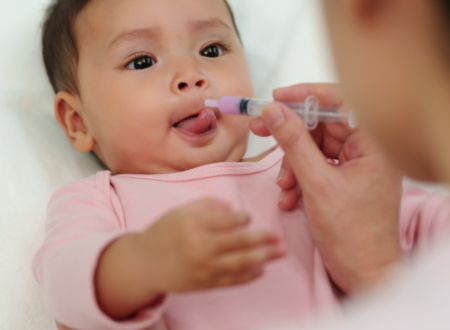
✔ 2. Use the Right Measuring Tool
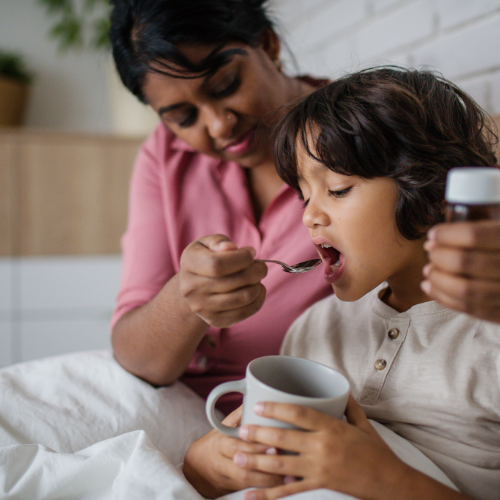
Avoid kitchen spoons ❌
Use:
- oral syringes
- measuring cups
- droppers
These ensure accurate dosing.
✔ 3. Follow the Exact Dose & Timing
- Do not increase dose for faster relief
- Do not skip doses randomly
- Complete prescribed courses (especially antibiotics)
✔ 4. Never Give Adult Medicines to Children
Cutting tablets or guessing doses can be dangerous.
✔ 5. Avoid Self-Medication
Even common medicines should be given only after guidance.
👩🏻⚕️ Common Safe Medicines (When Prescribed Properly)
🌡 Fever & Pain
- Paracetamol (most commonly used)
- Ibuprofen (for babies >6 months)
🦠 Antibiotics
- Amoxicillin
- Cephalosporins
👉 Only when prescribed not for viral infections.
🤧 Allergy
- Cetirizine
- Levocetirizine
🩺 ORS (Oral Rehydration Solution)
- Essential for diarrhea and dehydration
❌ Medicines to Avoid in Children (Without Doctor Advice)
- Aspirin (risk of Reye’s syndrome)
- Adult cold & cough syrups (especially under 5 years)
- Strong painkillers
- Sedatives
- Leftover antibiotics
- Herbal mixtures without safety data
🚫 Common Mistakes Parents Make
❌ Giving incorrect dose
❌ Using kitchen spoons
❌ Stopping antibiotics early
❌ Sharing medicines between siblings
❌ Using expired medicines
❌ Giving multiple medicines with same ingredient (overdose risk)
✅ Safe Storage of Medicines
Children are naturally curious.
✔ Store medicines out of reach and sight
✔ Use child-proof containers
✔ Never call medicine “candy”
✔ Keep emergency numbers ready
⏱ What If You Miss a Dose?
- Give it as soon as you remember
- If next dose is close → skip missed dose
- Never double the dose
🚨 Signs of Medicine Overdose or Reaction
Seek immediate medical help if your child shows:
- excessive sleepiness
- vomiting repeatedly
- rash or swelling
- breathing difficulty
- seizures
- unusual behavior
💉 Vaccines Are Also Medicines
Vaccination is one of the safest and most important medical interventions.
✔ Follow schedule strictly
✔ Mild fever after vaccines is normal
✔ Do not skip vaccines due to myths
🌿 What About Herbal Medicines?
Not all herbal products are safe.
⚠️ Risks include:
- unknown ingredients
- contamination
- lack of dosing guidelines
👉 Always consult before use.
💛 A Gentle Message to Parents
You don’t need to fear medicines you need to use them wisely.
Right medicine + right dose + right timing = safe and effective treatment
With proper guidance, medicines help your child heal, grow, and thrive.
🌟 Final Takeaway
✔ Always consult before giving medicines
✔ Follow correct dosing
✔ Avoid self-medication
✔ Store medicines safely
✔ Trust evidence-based care
💛 Your careful approach makes all the difference in your child’s safety.
Disclaimer
The information on this website is for educational purposes only and is not a substitute for professional medical advice. Always consult a qualified healthcare provider for personal medical concerns.